7 Ways a Tree Surgeon Can Improve a Residential Property
Healthy, well-managed trees can add structure, shade and character to a residential garden. When they become overgrown, damaged or unsuitable for their surroundings, however, they can restrict light, obstruct access and make outdoor areas more difficult to use.
Professional tree surgery focuses on managing trees according to their condition, species and location. For homeowners in Kempston, Bedfordshire, the right work can improve both the appearance and practicality of a property while supporting the long-term health of suitable trees.
How Professional Tree Surgery Can Improve Your Home and Garden
1. Removing Dead or Unsafe Branches
Dead, split and weakened branches can become unstable, especially during strong winds or heavy rain. They may overhang lawns, paths, driveways, sheds or other frequently used areas.
A tree surgeon can inspect the canopy, identify compromised branches and remove them in a controlled way. This improves the condition of the tree and reduces the likelihood of damaged limbs falling unexpectedly.
Professional assessment is particularly important because internal decay or weaknesses at branch unions may not be obvious from ground level.
2. Allowing More Natural Light into the Garden
A dense canopy can cast heavy shade over lawns, planting areas and seating spaces. It may also restrict daylight entering nearby rooms.
Selective pruning, crown thinning or crown reduction can allow more light through while retaining the tree’s natural form. The correct method depends on the species, structure and extent of the growth.
Removing too much foliage can place the tree under unnecessary stress, so the work should be carefully planned rather than carried out as indiscriminate cutting.
3. Restoring a Balanced and Attractive Shape
Trees can become uneven through storm damage, previous unsuitable pruning or competition for light. One side of the canopy may grow more heavily than the other, or individual branches may extend beyond the main outline.
Professional reshaping can shorten overextended growth, remove crossing branches and improve the balance of the crown. The aim is not to make every tree perfectly symmetrical, but to create a healthier structure that suits the tree’s natural growth pattern.
A well-proportioned tree can become a positive feature within the garden rather than appearing neglected or out of scale.
4. Creating Better Clearance Around the Property
Branches can gradually extend over roofs, gutters, driveways, paths and garden structures. Low growth may also interfere with parking, pedestrian access or routine garden maintenance.
A tree surgeon can remove or shorten selected branches to create practical clearance without unnecessarily reducing the entire canopy. This targeted approach helps the tree fit more successfully within its surroundings while maintaining a natural appearance.
Regular management may also prevent small access problems from becoming more difficult as the branches increase in size.
5. Supporting Healthier Tree Growth
Deadwood, rubbing branches and overcrowded growth can affect how a tree develops. Congested canopies may have limited airflow, while crossing branches can damage one another as they move.
Appropriate pruning can remove unsuitable growth and direct the tree’s energy towards stronger branches. It may also make changes in the tree’s condition easier to monitor.
The timing and extent of pruning matter because different species respond in different ways. A professional tree surgeon can choose a suitable technique rather than applying the same approach to every tree.
6. Making the Garden Easier to Use
An overgrown tree can dominate a small garden, restrict planting choices or make seating and play areas feel enclosed. Low branches, surface growth and old stumps can also interrupt routes through the garden.
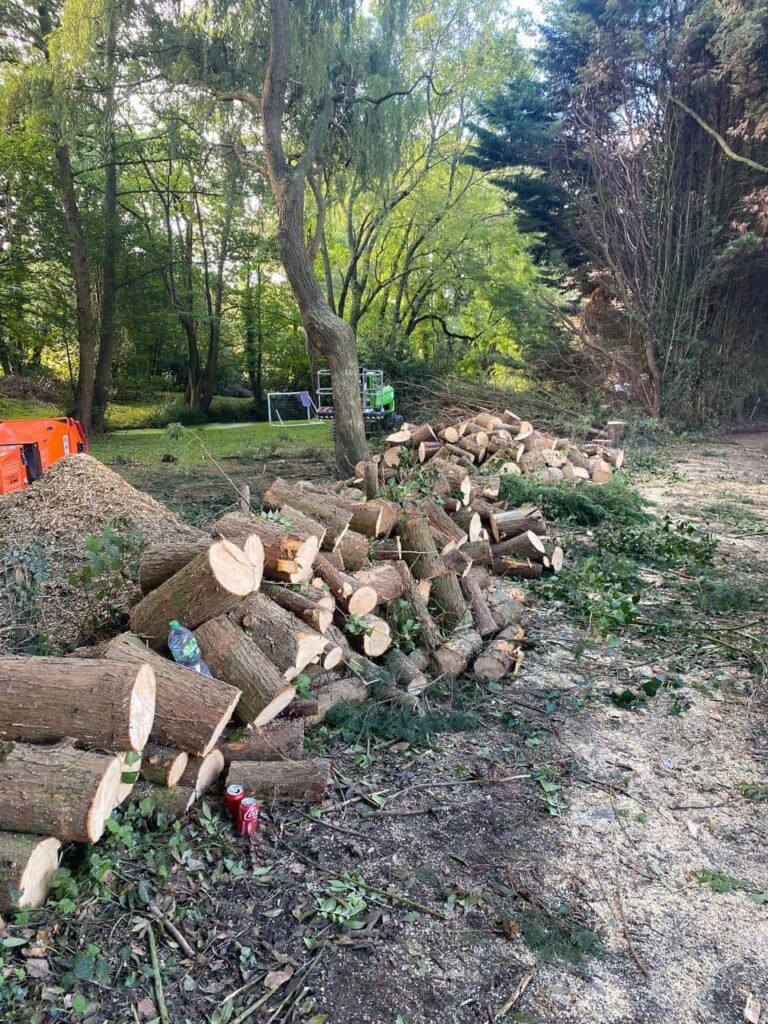
Tree surgery may involve crown reduction, branch removal, tree felling or stump grinding, depending on the situation. The most appropriate option should improve the usable space without recommending more work than the garden actually needs.
Removing an unwanted stump can be particularly useful when it obstructs mowing, landscaping or access between different parts of the property.
7. Identifying Problems Before They Become More Serious
Changes such as sparse foliage, fungal growth, cracks, cavities or repeated branch failure may indicate that a tree requires closer attention. Early assessment can establish whether pruning, monitoring or more extensive work is suitable.
A tree surgeon considers the complete tree rather than focusing only on one visible symptom. This includes the trunk, main branch unions, canopy balance, surrounding ground and evidence of previous work.
Accurate diagnosis helps avoid unnecessary cutting and provides a clearer plan for managing the tree over time.
Choosing the Right Type of Tree Work
Not every overgrown or damaged tree requires the same service. General pruning may be appropriate for smaller maintenance needs, while crown reduction is used to decrease the height or spread of a canopy. Tree felling may be considered where a tree is severely declining or unsuitable for its location, and stump grinding can complete the clearance afterwards.
A professional assessment helps distinguish between these options. The objective should be to complete proportionate work that responds to the condition of the tree and the needs of the property.
Conclusion
A tree surgeon can improve a residential property by removing unsafe branches, increasing light, restoring canopy balance and creating better clearance around important areas. Professional tree care can also support healthier growth, reclaim usable garden space and identify developing problems at an earlier stage.
Kempston Tree Surgeons provides professional tree surgery in Kempston, Bedfordshire. If your trees have become overgrown, damaged or difficult to manage, contact our team to arrange an assessment and discuss the most suitable approach.
Call us on: 01234 862 086
Click here to find out more about Kempston Tree Surgeons
Click here to complete our contact form and see how we can help with your tree needs.